
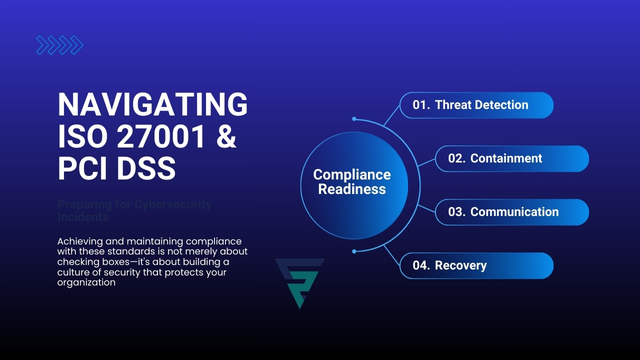
In today’s digital landscape, organizations face increasing pressure to demonstrate robust information security practices. Two critical frameworks for achieving this are ISO 27001 and PCI DSS. While both focus on security, they serve different purposes and require distinct approaches. ISO 27001 compliance represents an internationally recognized standard for Information Security Management Systems (ISMS), providing a comprehensive framework for protecting information assets. Meanwhile, the Payment Card Industry Data Security Standard (PCI DSS) specifically protects cardholder data throughout the payment ecosystem.
Achieving and maintaining compliance with these standards is not merely about checking boxes—it’s about building a culture of security that protects your organization, customers, and reputation. This article will guide you through the key requirements, preparation strategies, and implementation steps for navigating these essential compliance frameworks.
PCI DSS Requirements: Protecting Cardholder Data
The PCI DSS standard consists of 12 core requirements designed to secure cardholder data throughout the payment process:
- Network Security: Install and maintain firewall configurations to protect data
- System Configuration: Do not use vendor-supplied defaults for system passwords
- Data Protection: Protect stored cardholder data through encryption, hashing, or other methods
- Transmission Security: Encrypt transmission of cardholder data across open networks
- Malware Protection: Protect all systems against malware with regularly updated antivirus
- System Development: Develop and maintain secure systems and applications
- Access Control: Restrict access to cardholder data by business need-to-know
- Authentication: Identify and authenticate access to system components
- Physical Security: Restrict physical access to cardholder data
- Monitoring: Track and monitor all access to network resources and cardholder data
- Testing: Regularly test security systems and processes
- Policy Maintenance: Maintain an information security policy for personnel
Compliance Audit Preparation: Your Roadmap to Success
Preparing for a compliance audit requires meticulous planning and documentation. Follow these steps to ensure readiness:
1. Gap Analysis: Conduct a thorough assessment of your current security posture against the requirements of the relevant standard. Identify areas that need improvement before the formal audit.
2. Documentation Review: Gather and organize all necessary policies, procedures, and evidence of implementation. This includes security policies, risk assessments, training records, and incident response plans.
3. Internal Audit: Perform an internal audit to validate that your security controls are operating effectively. Address any findings before the external assessment.
4. Staff Preparation: Ensure relevant personnel understand their roles in maintaining compliance and are prepared to speak knowledgeably with auditors.
5. Technical Testing: Conduct vulnerability scans and penetration tests to identify and remediate security weaknesses in systems and applications.
Achieving ISO 27001: Building Your ISMS
Achieving ISO 27001 compliance involves establishing, implementing, maintaining, and continually improving an Information Security Management System (ISMS). The process typically follows these phases:
Initiation and Planning: Define the scope of your ISMS, establish objectives, and secure management commitment. Develop a project plan with clear timelines and responsibilities.
Risk Assessment: Identify information assets, assess risks to confidentiality, integrity, and availability, and evaluate existing controls. This forms the foundation of your treatment plan.
Control Implementation: Select and implement appropriate security controls from Annex A of the standard to treat identified risks. Document how these controls meet the requirements.
Training and Awareness: Ensure all employees understand their information security responsibilities and how to follow established procedures.
Performance Evaluation: Monitor, measure, and evaluate the performance of your ISMS through internal audits, management reviews, and key performance indicators.
Certification Audit: Engage an accredited certification body to conduct a stage 1 (documentation review) and stage 2 (implementation assessment) audit.
Continuous Improvement: Maintain your certification through ongoing monitoring, periodic reviews, and addressing changing risks and business requirements.
Frequently Asked Questions (FAQ)
Q: How often do we need to recertify for ISO 27001?
A: ISO 27001 certification is valid for three years, with surveillance audits conducted annually to ensure continued compliance. After three years, you’ll need to complete a recertification audit.
Q: Can we achieve compliance without hiring external consultants?
A: While possible for organizations with strong internal expertise, most benefit from external guidance. Consultants bring experience, avoid common pitfalls, and often accelerate the process, potentially saving resources in the long run.
Q: How do ISO 27001 and PCI DSS work together?
A: ISO 27001 provides the overarching management system for information security, while PCI DSS offers specific technical controls for payment data. Implementing ISO 27001 first can provide a strong foundation that makes PCI DSS compliance more straightforward.
Q: What’s the most common reason organizations fail their initial audit?
A: Incomplete documentation and inadequate evidence of implementation are leading causes of audit failures. Organizations often have controls in place but fail to properly document them or demonstrate consistent application.
